
Introduction
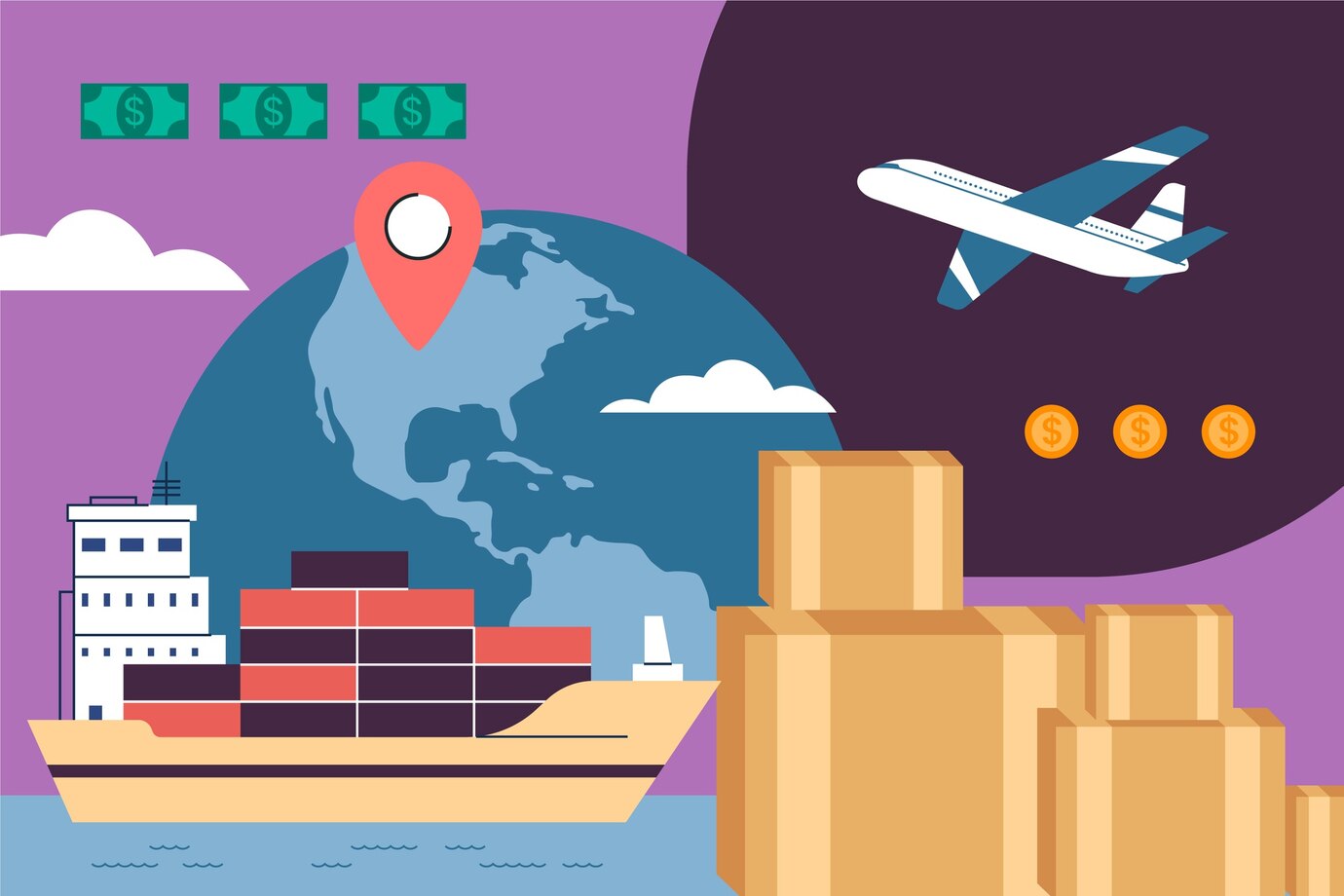
In the realm of global logistics, air freight and ocean freight play pivotal roles in facilitating the movement of goods across vast distances. Air freight forwarding services, known for its speed and efficiency, is favored for time-sensitive shipments, delivering goods swiftly to international destinations. On the other hand, ocean freight forwarding services, with its expansive capacity and cost-effectiveness, serves as the backbone of global trade, accommodating large volumes of cargo over longer distances. Whether businesses prioritize speed or cost-effectiveness, both air and ocean freight offer reliable solutions tailored to diverse shipping needs. With a myriad of carriers, routes, and service levels available, businesses can leverage these shipping services to optimize their supply chain operations and expand their reach in the global marketplace.
What is Ocean Freight?
Ocean freight, also known as sea freight or maritime shipping, refers to the transportation of goods by sea using ships or vessels. It is one of the oldest and most widely used modes of international transportation for goods, facilitating the movement of large volumes of cargo between countries and continents.
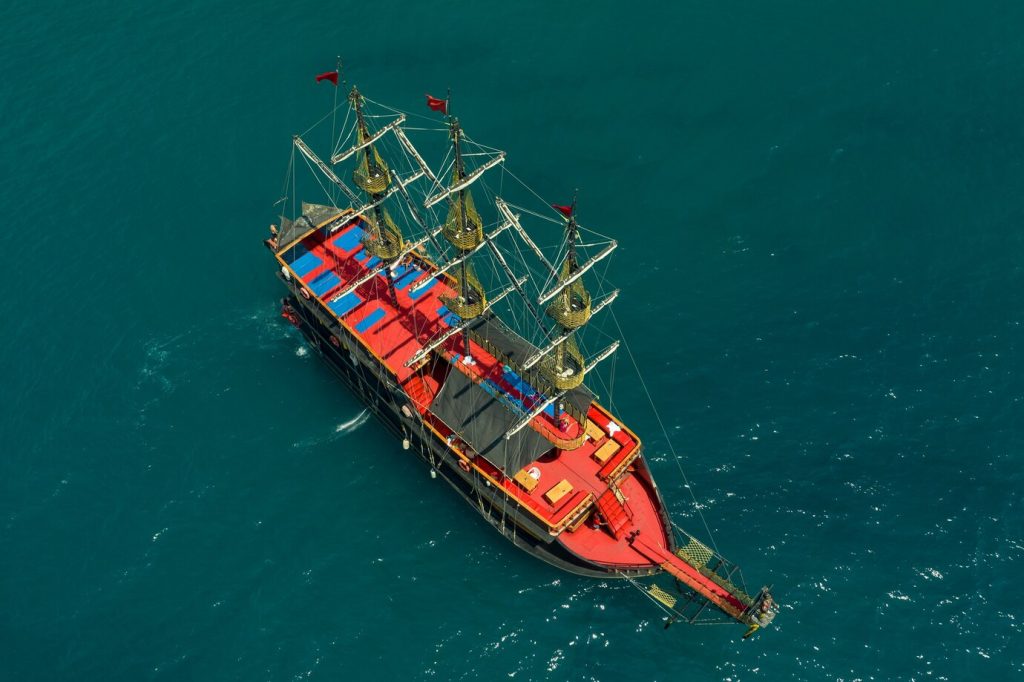
Ocean freight involves loading goods into containers, which are then transported aboard cargo ships across various maritime routes. These routes can range from short-distance coastal voyages to long-haul transoceanic journeys. International Ocean Freight Forwarding services is commonly used for transporting bulky, heavy, and non-perishable goods such as raw materials, machinery, vehicles, and consumer goods.
One of the key advantages of ocean freight is its cost-effectiveness, especially for large volumes of cargo or goods that are not time-sensitive. Compared to air freight, sea freight tends to be more economical, making it a preferred choice for businesses looking to reduce shipping costs.
However, ocean freight typically has longer transit times compared to Air Freight forwarding Services in USA due to the slower speed of ships. Factors such as weather conditions, port congestion, and transit routes can also affect the overall delivery time of ocean freight shipments.
Despite its longer transit times, ocean freight remains an essential component of global trade and logistics, playing a vital role in connecting markets and facilitating international commerce on a large scale.
What is Air Freight?
Air freight, also known as air cargo, refers to the transportation of goods by air using aircraft. This mode of shipping is particularly known for its speed and efficiency in delivering goods across both domestic and international destinations. Air Freight Shipping Services in USA is commonly used for high-value, time-sensitive, and perishable goods, as well as for products that require strict temperature control or special handling.
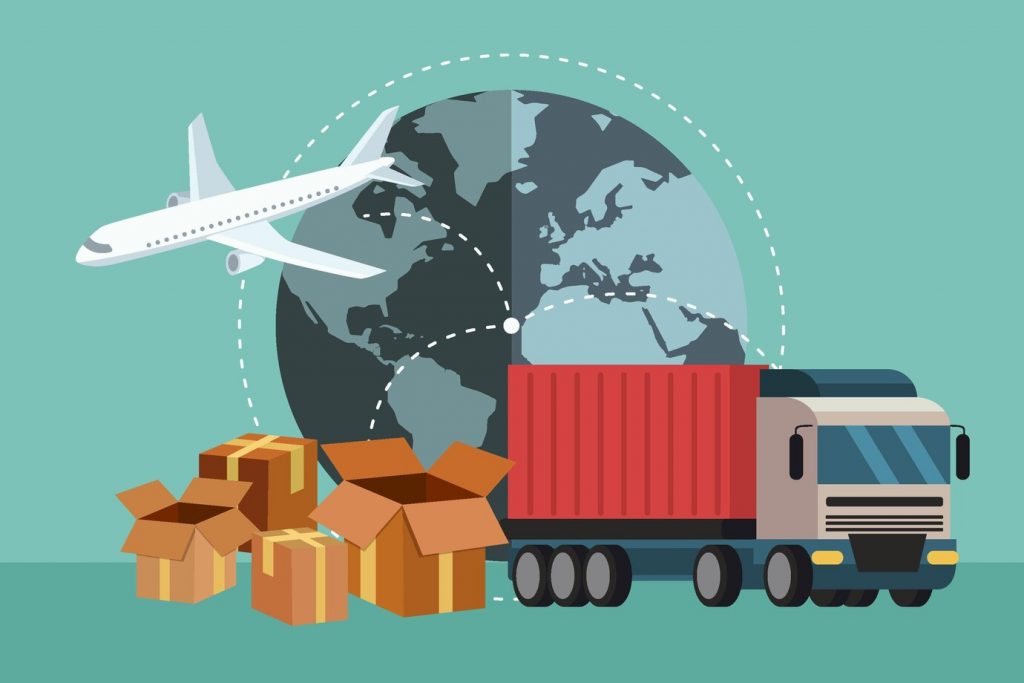
Air freight involves the use of various types of aircraft, ranging from small cargo planes to large freighter aircraft, depending on the size and volume of the shipment. It offers several advantages, including fast transit times, reliable schedules, and the ability to reach remote locations more quickly compared to other modes of transportation such as sea or land.
While air freight is generally faster and more reliable than other modes of shipping, it is often more expensive. The cost of air freight depends on factors such as the weight and volume of the cargo, the distance traveled, fuel prices, and any additional services required, such as customs clearance or special handling.
Overall, air freight plays a crucial role in global trade and logistics, offering businesses a rapid and efficient means of transporting goods to markets around the world.
Advantages & Disadvantages of Ocean Freight
Ocean freight offers several advantages and disadvantages compared to other modes of transportation like air freight. Let’s break them down:
Advantages:
- Cost-Effectiveness: One of the primary advantages of Sea Freight Forwarding Services in USA is its cost-effectiveness, especially for large volumes of cargo. Sea freight tends to be more economical than air freight, making it a preferred choice for businesses looking to reduce shipping costs.
- Suitable for Bulk Cargo: Ocean freight is ideal for transporting bulky, heavy, and non-perishable goods such as raw materials, machinery, vehicles, and consumer goods. Ships have the capacity to carry large volumes of cargo, making it efficient for businesses with substantial shipping needs.
- Low Carbon Footprint: While ships produce emissions, they are generally more fuel-efficient per unit of cargo compared to airplanes. Consequently, ocean freight can have a lower carbon footprint per ton-mile compared to air freight, making it a more environmentally friendly option for certain shipments.
- Global Reach: Ocean freight allows access to a wide range of destinations across the globe, including landlocked countries that can be reached via inland waterways and interconnected ports.
Disadvantages:
- Longer Transit Times: One of the significant drawbacks of ocean freight is its longer transit times compared to air freight. Ships are slower than airplanes, resulting in longer delivery times for goods transported by sea. This can be a disadvantage for time-sensitive shipments or products with a short shelf life.
- Vulnerability to Weather and Delays: Ocean freight is susceptible to weather conditions, which can lead to delays and disruptions in delivery schedules. Storms, rough seas, and other maritime hazards can impact the timely arrival of shipments, potentially causing logistical challenges for businesses.
- Limited Accessibility: While Ocean Freight Forwarding Services in USA offers access to many destinations worldwide, certain inland or remote areas may have limited accessibility by sea. In such cases, additional transportation methods may be required to move goods from port to final destination, increasing logistical complexity and costs.
- Risk of Damage or Loss: Cargo transported by sea is exposed to various risks, including damage, theft, and loss during transit. Despite measures to secure cargo, incidents such as accidents, piracy, or rough handling can occur, leading to financial losses for shippers.
Advantages & Disadvantages of Air Freight
Advantages:
- Speed: Air freight is significantly faster than other modes of transportation such as ocean freight. It offers expedited delivery, making it ideal for time-sensitive shipments and urgent deliveries.
- Reliability: Airlines operate on fixed schedules, providing a high level of reliability and predictability for air freight shipments. This reliability can be crucial for meeting tight deadlines and ensuring on-time delivery.
- Global Connectivity: Air Freight Management Services in USA enables businesses to reach remote or distant locations around the world, including areas that may be inaccessible by other means of transportation. This global connectivity expands market reach and facilitates international trade.
- Reduced Inventory Costs: The fast transit times of air freight can help reduce inventory carrying costs by minimizing the need for large stockpiles of goods. Businesses can maintain leaner inventory levels while still meeting customer demand in a timely manner.
Disadvantages:
- Cost: Air freight is generally more expensive than other modes of transportation, such as ocean freight. The higher cost of air transportation can make it prohibitive for certain types of cargo, particularly bulky or low-value goods.
- Limited Capacity: Aircraft have limited cargo space compared to ships, which can restrict the volume of goods that can be transported via air freight. This limited capacity may not be suitable for large or oversized shipments.
- Restrictions on Hazardous Materials: Air freight regulations impose strict limitations on the transportation of hazardous materials and certain types of goods. Items deemed hazardous or dangerous may be prohibited or subject to additional restrictions when shipped by air.
- Environmental Impact: While International Air Freight Forwarding Services offers speed and efficiency, it also has a higher environmental impact compared to other modes of transportation. Aircraft emissions contribute to air pollution and greenhouse gas emissions, contributing to climate change concerns.
In summary, air freight offers advantages such as speed, reliability, and global connectivity, making it well-suited for time-sensitive shipments and reaching distant markets. However, its higher cost, limited capacity, regulatory restrictions, and environmental impact are important considerations for businesses when choosing the most appropriate mode of transportation for their goods.
When to Use Ocean Freight vs. Air Freight?
Determining whether to use ocean freight or air freight depends on various factors including the nature of the cargo, budget considerations, delivery timeline, and specific requirements of the shipment. Here are some scenarios when each mode of transportation might be more suitable:
Use Ocean Freight When:
- Cost is a Priority: If cost-effectiveness is the primary consideration and the shipment is not time-sensitive, ocean freight is often the preferred choice. It offers lower shipping costs compared to air freight, especially for large volumes of cargo or bulky items.
- Large or Heavy Cargo: Ocean Freight Forwarding support Services is ideal for transporting oversized or heavy goods that may exceed the weight or size limits for air transportation. Ships have the capacity to carry substantial volumes of cargo, making them suitable for items that are impractical or cost-prohibitive to transport by air.
- Non-Perishable Goods: Goods with a longer shelf life or those that are not time-sensitive, such as raw materials, machinery, furniture, and non-perishable consumer goods, can be shipped via ocean freight without compromising their quality or integrity.
- Flexible Delivery Timeframes: If there is flexibility in the delivery timeline and the shipment does not require immediate delivery, ocean freight allows for longer transit times. Businesses can plan ahead and schedule shipments according to their production or inventory needs.
Use Air Freight When:
- Time is Critical: When speed is of the essence and urgent delivery is required, air freight is the preferred choice. It offers the fastest transit times compared to other modes of transportation, making it suitable for time-sensitive shipments or meeting tight deadlines.
- Perishable or High-Value Goods: Air freight is well-suited for perishable goods such as fresh produce, pharmaceuticals, flowers, and high-value items like electronics or luxury goods that require expedited delivery to maintain their quality and market value.
- Just-In-Time Inventory: For businesses practicing just-in-time inventory management or operating on tight production schedules, air freight ensures timely delivery of components, parts, or finished products, minimizing inventory holding costs and production downtime.
- Remote or Inaccessible Locations: Air freight logistics BPO services in USA provides access to remote or distant locations that may be challenging to reach by other means of transportation, especially areas with limited infrastructure or difficult terrain.
Ultimately, the decision to use ocean freight or air freight depends on balancing factors such as cost, delivery timeline, cargo characteristics, and logistical requirements to determine the most efficient and cost-effective transportation solution for the specific shipment.
Ocean Freight vs. Air Freight Comparison
Air freight and ocean freight are two primary methods of shipping goods internationally or domestically, each with its advantages and considerations. Here are the key differences between air freight and sea freight forwarding services in USA:
- Speed:
- Air Freight: Air freight is significantly faster than ocean freight. Shipments can be transported to their destination within days or even hours, making it ideal for time-sensitive or perishable goods.
- Ocean Freight: Ocean freight typically takes longer than air freight. Shipments can take weeks or even months to reach their destination, depending on the distance and the chosen shipping route.
- Cost:
- Air Freight: Air freight is generally more expensive than ocean freight due to the faster transit times and higher operational costs associated with air transportation.
- Ocean Freight: Ocean Freight Forwarding support Services is typically more cost-effective than air freight, especially for large or bulky shipments. However, costs can vary depending on factors such as distance, route, and shipping volume.
- Capacity:
- Air Freight: Air freight has limited capacity compared to ocean freight. While airlines offer various cargo aircraft sizes, they may not accommodate oversized or heavy shipments as effectively as ocean vessels.
- Ocean Freight: Ocean freight offers larger cargo capacity, making it suitable for transporting bulky or heavy goods in large quantities. Ocean vessels come in different sizes, including containerships, bulk carriers, and roll-on/roll-off (RoRo) vessels.
- Reliability:
- Air Freight: Air freight forwarding support services tends to be more reliable in terms of transit times and scheduling, with fewer disruptions due to weather conditions or port congestions.
- Ocean Freight: Ocean freight may experience delays due to factors such as adverse weather conditions, port congestion, or transit interruptions like container ship accidents or piracy.
- Environmental Impact:
- Air Freight: Air freight has a higher environmental impact per unit of cargo transported compared to ocean freight, primarily due to higher fuel consumption and emissions associated with air transportation.
- Ocean Freight: Ocean Freight Forwarding services in USA generally has a lower environmental impact per unit of cargo transported compared to air freight, although emissions from maritime vessels contribute to greenhouse gas emissions and other environmental concerns.
- Packaging and Handling:
- Air Freight: Goods transported by air freight typically require sturdy and compact packaging to withstand the rigors of air transportation and to optimize space utilization in aircraft cargo holds.
- Ocean Freight: Goods transported by ocean freight may require less stringent packaging requirements compared to air freight, although proper packaging is still essential to protect goods from moisture, temperature fluctuations, and handling during transit.
Conclusion
In conclusion, MANDLI Technologies provides air freight and ocean freight shipping services offer distinct advantages depending on the nature of the cargo, budget considerations, and urgency of delivery. Air freight excels in speed and reliability, making it ideal for perishable goods and time-sensitive shipments. However, it tends to be more expensive compared to ocean freight. On the other hand, ocean freight offers cost-effectiveness, especially for large and heavy cargo, albeit at a slower pace. Ultimately, the choice between air and Ocean freight outsourcing services depends on finding the right balance between cost, time, and the specific requirements of the shipment.
Leave a Reply