
The Real Estate Outsourcing Company in Bangalore is poised for significant transformation as we look ahead to 2024 and beyond. Emerging trends, technological advancements, and shifting socio-economic dynamics are reshaping the way people buy, sell, and interact with properties. From the rise of remote work to the growing emphasis on sustainability and digital innovation, the future of real estate promises to be dynamic and multifaceted. In this report, we will explore key trends and forecasts that are expected to shape the Real Estate Outsourcing Services in the coming years, providing insights for industry professionals, investors, and homeowners alike.
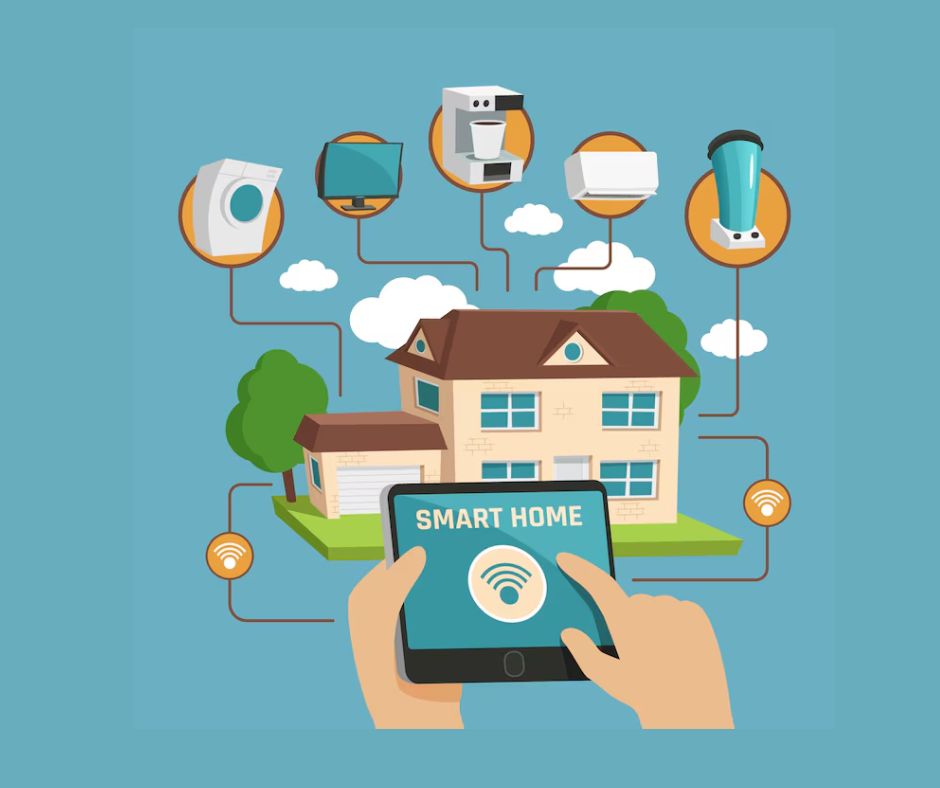
Smart Living: The Evolution and Impact of Smart Homes in the Real Estate Market
Smart homes have been rapidly transforming the Real Estate Outsourcing Company in Germany, shaping the way people live, work, and interact with their surroundings. The evolution of smart home technology has revolutionized the concept of living spaces, making them more efficient, convenient, and secure.
Early Adoption Phase: Initially, smart home technology was seen as a luxury reserved for tech enthusiasts or affluent homeowners. Devices like smart thermostats, automated lighting systems, and voice-controlled assistants entered the market, offering convenience and energy savings. However, the high cost of installation and limited compatibility hindered widespread adoption.
Mainstream Integration: As technology advanced and costs decreased, smart home features became more accessible to mainstream consumers. Builders and developers began incorporating smart home infrastructure into new constructions, allowing buyers to customize their homes with connected devices. This integration appealed to homebuyers seeking modern amenities and energy-efficient solutions.
Market Demand and Expectation: Today, smart home features are increasingly viewed as standard offerings rather than optional upgrades. Buyers expect homes to be equipped with smart thermostats, security cameras, smart locks, and other connected devices. Real estate agents often highlight these features as selling points, attracting tech-savvy buyers and increasing property values.
Energy Efficiency and Cost Savings: Smart home technology plays a crucial role in promoting energy efficiency and reducing utility costs. Automated systems optimize energy usage by adjusting temperature settings, controlling lighting, and monitoring appliance usage. Homeowners can track their energy consumption in real-time and make informed decisions to lower their bills, making smart homes an attractive investment for eco-conscious buyers.
Enhanced Security and Safety: Smart home security systems offer advanced features such as remote monitoring, motion detection, and smartphone alerts. These capabilities provide homeowners with peace of mind and deter potential intruders. Integration with smart locks and video doorbells allows for seamless access control and visitor management, improving overall safety and security.
Personalized Living Experience: The rise of artificial intelligence and machine learning enables smart homes to adapt to residents’ preferences and habits. Intelligent assistants can learn routines, anticipate needs, and automate daily tasks, enhancing comfort and convenience. Customizable settings allow homeowners to create personalized environments tailored to their lifestyle and preferences.
Data Privacy and Security Concerns: Despite the benefits, the proliferation of smart home devices raises concerns about data privacy and security. Connected devices collect vast amounts of personal information, raising the risk of data breaches and unauthorized access. Homeowners must prioritize cybersecurity measures and choose reputable brands with robust privacy policies to safeguard their data.
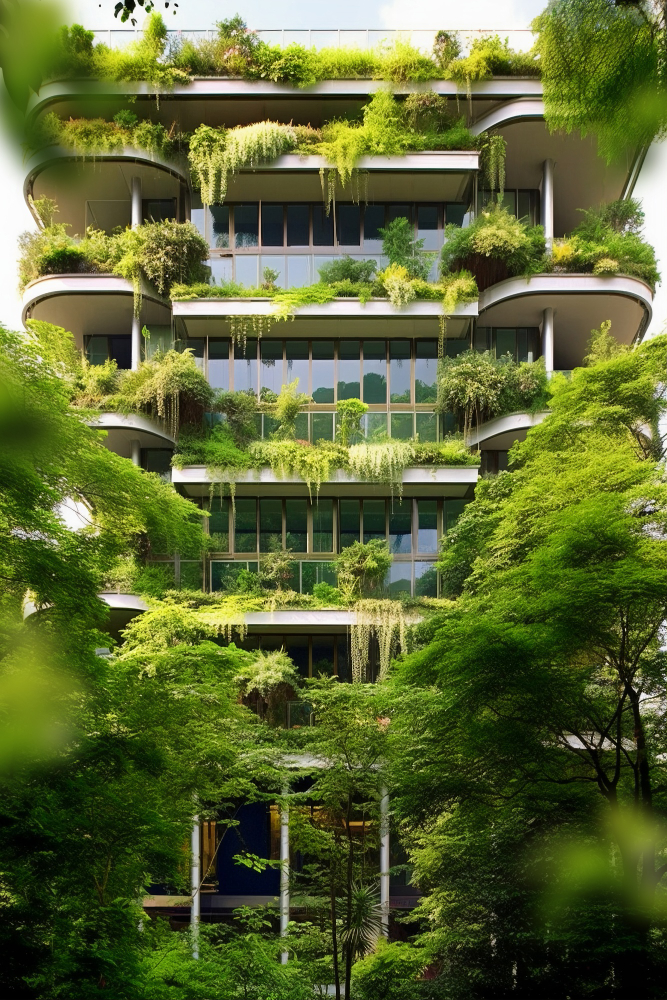
Eco-Friendly Estates: Embracing Sustainability in Green Building Design and Real Estate Development
Embracing sustainability in green building design and real estate development has become increasingly important as society recognizes the need to address environmental concerns and reduce carbon footprints. Eco-friendly estates, which prioritize energy efficiency, environmental conservation, and occupant health, are gaining traction in the real estate market.
Energy Efficiency: Eco-friendly estates focus on minimizing energy consumption through efficient building design, insulation, and use of renewable energy sources such as solar panels, wind turbines, or geothermal systems. Energy-efficient appliances, LED lighting, and smart home technology further reduce energy usage and utility costs for homeowners.
Green Materials and Construction Practices: Sustainable building materials such as recycled steel, bamboo, reclaimed wood, and low-VOC paints are utilized to minimize environmental impact and promote indoor air quality. Green construction practices, including waste reduction, recycling, and responsible sourcing of materials, help minimize construction-related emissions and waste.
Passive Design Strategies: Passive design principles are employed to maximize natural lighting, ventilation, and thermal comfort while minimizing the need for mechanical heating and cooling systems. Features such as strategic window placement, shading devices, and thermal mass help regulate indoor temperatures and reduce reliance on artificial climate control.
Water Conservation: Eco-friendly estates implement water-saving technologies and practices to reduce water consumption and promote sustainable water management. Features such as low-flow fixtures, rainwater harvesting systems, graywater recycling, and drought-resistant landscaping help conserve water resources and mitigate water scarcity.
Biodiversity and Green Spaces: Incorporating green spaces, native landscaping, and wildlife habitats into estate design fosters biodiversity and ecological resilience. Green roofs, living walls, community gardens, and naturalized ponds provide habitat for wildlife, enhance air quality, and contribute to overall environmental sustainability.
Smart Infrastructure and Technology: Integration of smart infrastructure and IoT (Internet of Things) technology enables real-time monitoring, optimization, and management of energy, water, and resource usage. Smart meters, sensors, and automated systems help homeowners track their environmental footprint, identify inefficiencies, and make data-driven decisions to improve sustainability.
Certifications and Standards: Eco-friendly Corporate Real Estate Solutions may pursue green building certifications such as LEED (Leadership in Energy and Environmental Design), ENERGY STAR, or Passive House to demonstrate compliance with rigorous sustainability criteria and enhance marketability. These certifications provide assurance to buyers that the property meets high standards of environmental performance and occupant comfort.
Community Engagement and Education: Sustainable real estate developments often prioritize community engagement and education initiatives to raise awareness about environmental issues and promote sustainable living practices among residents. Community events, workshops, and educational programs foster a sense of environmental stewardship and collective responsibility for preserving natural resources.
Reshaping Real Estate: The Impact of Remote Work Trends in 2024
The remote work trends of 2024 have had a profound impact on the real estate industry, reshaping the way people think about where they live and work.
Shift in Location Preferences: With the flexibility to work from anywhere, many individuals are opting to relocate from urban centres to suburban or rural areas where they can enjoy more space, lower costs of living, and a higher quality of life. This has led to increased demand for homes in suburban and rural communities, as well as in smaller cities and towns that offer a balance of amenities and natural surroundings.
Rise of “Zoom Towns” and Second Home Markets: The concept of “Zoom towns” has emerged, referring to small towns and vacation destinations experiencing an influx of remote workers seeking a change of scenery and lifestyle. This trend has driven up home prices in popular second home markets and vacation destinations, as remote workers look for properties that offer both recreational opportunities and a conducive environment for remote work.
Home Office and Flexible Living Spaces: The need for dedicated home office space has become a top priority for remote workers, leading to a surge in demand for homes with designated workspaces, spare rooms, or flexible living areas that can be converted into offices. Real estate developers are adapting to this trend by designing homes with flexible floor plans and multi-functional spaces to accommodate remote work needs.
Emphasis on Connectivity and Amenities: High-speed internet connectivity has become essential for remote work, prompting homebuyers to prioritize properties with reliable internet infrastructure and access to high-speed broadband services. Additionally, there is a growing demand for homes with amenities such as outdoor workspaces, communal co-working areas, and recreational facilities that support remote work and foster a sense of community among residents.
Impact on Commercial Real Estate: The widespread adoption of remote work has led to a reassessment of commercial real estate needs, with Outsourcing Services for Real Estate Company many companies downsizing their office space or adopting hybrid work models that combine remote and in-person work. As a result, there is increased availability of commercial office space in urban centers, leading to potential opportunities for repurposing or redevelopment of commercial properties.
Regional Real Estate Disparities: Remote work trends have exacerbated regional disparities in the real estate market, with some areas experiencing rapid growth in home prices and demand, while others face stagnation or decline. This has raised concerns about housing affordability and access to homeownership in high-demand markets, prompting discussions about policy interventions to address housing affordability challenges.
Long-Term Impact on Housing Market Dynamics: While the shift to remote work has fuelled demand for housing in certain markets, there are uncertainties about the long-term sustainability of remote work trends and their impact on housing market dynamics. Factors such as changes in corporate policies, technological advancements, and socio-economic trends will continue to shape the real estate landscape in the years to come.

Urban Pulse vs. Suburban Serenity: The Ongoing Debate in Real Estate Dynamics
The ongoing debate between urban pulse and suburban serenity in real estate Real estate support services dynamics reflects the contrasting preferences and lifestyle choices of individuals seeking different living environments.
Urban Pulse:
Vibrant Culture and Entertainment: Urban areas offer a diverse range of cultural amenities, entertainment options, dining experiences, and nightlife activities. Residents enjoy easy access to theatres, museums, restaurants, bars, and live music venues, contributing to a dynamic and vibrant urban lifestyle.
Convenience and Accessibility: Urban living often provides proximity to workplaces, public transportation networks, and amenities such as grocery stores, shopping centres, and healthcare facilities. The best real estate agent in Bangalore and convenience of walkable neighbourhoods and efficient public transit systems appeals to individuals seeking a car-free or car-lite lifestyle.
Diverse Communities and Opportunities: Cities are melting pots of diversity, attracting people from different backgrounds, cultures, and walks of life. Urban areas offer a rich tapestry of opportunities for networking, career advancement, education, and cultural exchange, fostering a sense of community and inclusivity.
Suburban Serenity:
Space and Privacy: Suburban living offers larger homes, spacious yards, and a quieter, more tranquil environment compared to the hustle and bustle of urban areas. Suburban neighbourhoods provide residents with a sense of privacy, security, and serenity, making them ideal for families, retirees, and individuals seeking a slower pace of life.
Quality of Life and Community: Suburbs often boast well-planned communities with parks, green spaces, and recreational facilities that promote outdoor activities, family-friendly environments, and a strong sense of community. Suburban living appeals to those prioritizing a higher quality of life, access to good schools, and a closer connection to nature.
Affordability and Value: Suburban homes typically offer more square footage and amenities for the price compared to urban properties, making them attractive to first-time homebuyers, growing families, and empty nesters looking to downsize. Lower housing costs, property taxes, and cost of living can significantly improve affordability and financial stability for suburban residents.

Conclusion
As we navigate the complexities and opportunities of the real estate landscape in 2024 and beyond, it is evident that adaptation, innovation, and sustainability will be crucial for success. Embracing emerging trends, leveraging digital technologies, and prioritizing environmental responsibility can enable the real estate industry to thrive in a rapidly evolving market while creating value for stakeholders and society. With foresight, collaboration, and forward-thinking strategies, the future of real estate offers significant potential for growth, resilience, and positive transformation.
Leave a Reply