
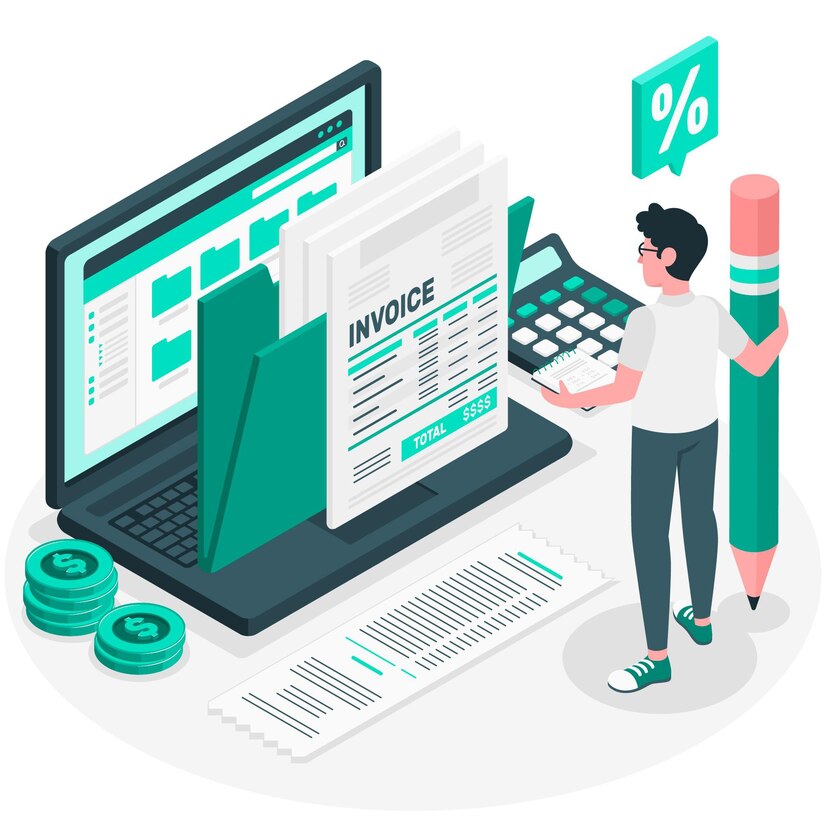
Invoice factoring is a type of financing where businesses sell their unpaid invoices to a third-party financial institution, called a factor, in exchange for immediate cash. This can be a helpful solution for businesses that need to improve their cash flow or have slow-paying customers.
Here’s how it works:
- Business issues invoice: The business issues an invoice to its customer for goods or services rendered.
- Submits invoice to factor: The business submits the invoice to the factor, along with any necessary paperwork.
- Factor advances cash: The factor reviews the invoice and approves it for funding. The factor then advances the business a percentage of the invoice amount (typically 70-90%).
- Factor collects payment: The factor takes over responsibility for collecting payment from the customer.
- Factor remits remaining funds: Once the customer pays the invoice, the factor deducts its fees and remits the remaining balance to the business.
Benefits of Invoice Factoring
- Improved cash flow: Invoice factoring services can help businesses improve their cash flow by providing immediate access to cash that would otherwise be tied up in outstanding invoices.
- Reduced risk: Invoice factoring can help businesses reduce their risk of bad debt by shifting the responsibility of collecting payment to the factor.
- Faster growth: Invoice factoring can help businesses grow faster by providing them with the capital they need to invest in inventory, marketing, and other business expenses.
What are the Advantages of Invoice Factoring
Invoice factoring can be a valuable tool for businesses looking to improve their cash flow and access working capital. Here are some of the key benefits of invoice factoring:
Improved Cash Flow:
Invoice factoring can provide businesses with immediate access to cash that would otherwise be tied up in outstanding invoices. This can be helpful for businesses that need to cover short-term expenses, such as payroll or inventory. Invoice factoring can help businesses create a more predictable cash flow, as they will know exactly when they will receive payment for their invoices. This can make it easier for businesses to budget and plan for the future.
Invoice factoring can help businesses reduce their reliance on debt financing, such as bank loans or lines of credit. This can be beneficial for businesses that are looking to improve their credit score or avoid taking on additional debt. By factoring their invoices, some businesses may be able to improve their credit score as it shows a more reliable source of income.
Reduced Risk:
Invoice factoring can help businesses protect themselves from bad debt, as the factor will assume the risk of non-payment by the customer. This can be a major advantage for businesses that have a high percentage of slow-paying or risky customers. Many factors offer credit monitoring services to help businesses identify and manage risk. Invoice Factoring Outsourcing Services in India can help businesses reduce their collections costs, as the factor will be responsible for collecting payment from the customer. This can free up valuable time and resources for the business to focus on other areas.
Faster Growth:
Increased investment: The additional working capital that invoices factoring provide can be used to invest in growth initiatives, such as new inventory, marketing, or research and development. Improved cash flow can allow businesses to take advantage of discounts offered by suppliers for early payment, and offer their own customers extended payment terms, which can lead to increased sales. With better cash flow, businesses can offer more competitive bids on projects and contracts.
What Are The Disadvantages Of Factoring?
While Invoice Factoring Outsourcing Services can offer several advantages, it also has some potential drawbacks that businesses should consider before deciding if it’s the right fit for them. Here’s an overview of the main disadvantages of factoring:
Cost: This is the most significant disadvantage. Factoring fees can be substantial, typically ranging from 1% to 5% of the invoice amount. These fees can eat into a business’s profits, especially for smaller invoices or businesses with tight margins.
Loss of Control: When you factor an invoice, you essentially sell it to the factor. This means you surrender control over the collection process and the customer relationship. The factor will handle all communication and follow-up with your customer, which can sometimes lead to a less personalized experience for the customer.
Damage to Customer Relationships: Some customers may not react favorably to learning their invoices have been factored. This can damage trust and potentially impact future business relationships. It’s crucial to communicate transparently with your customers about factoring to mitigate any negative effects.
Dependence: Overreliance on factoring can create a cycle of dependence. Businesses may become accustomed to the immediate cash flow it provides and struggle to manage without it. This can hinder their ability to develop sustainable financial practices.
Limited Protection: While factoring can offer some protection against bad debt, it’s not foolproof. Non-recourse factoring, which completely shields businesses from non-payment, is typically more expensive than recourse factoring, where the business still bears some risk.
Hidden Costs: Besides the advertised factoring fees, there might be additional hidden costs associated with services like credit checks, account maintenance, and early termination clauses. It’s essential to carefully review all contracts and understand the full cost picture before committing to factoring.
Impact on Credit Score: Frequent use of factoring can negatively impact a business’s credit score, making it more difficult to secure traditional bank loans or other forms of financing in the future.
Industry-Specific Limitations: Not all industries are well-suited for factoring. Businesses with highly regulated customers, those with extended payment terms, or those operating in industries with high risk of customer default may find factoring less attractive.
Limited Funding Coverage: Factors may not fund all invoices, particularly those involving high-risk customers or exceptionally large amounts. This can limit the overall effectiveness of factoring as a financial tool.
Alternative Solutions: Before resorting to factoring, it’s crucial to explore alternative solutions for improving cash flow, such as stricter credit checks, offering discounts for early payments, or negotiating extended payment terms with suppliers.
How to Get your Company Approved for Invoice Factoring
Here are the steps on how to get your company approved for invoice factoring:
1. Research and Compare Factoring Companies:
- Identify your needs: Determine how much funding you need, how long your payment terms are, and what types of factoring you prefer (recourse vs. non-recourse).
- Research different factoring companies: Compare rates, fees, terms, and customer service.
- Get quotes: Contact several factoring companies for quotes based on your specific needs.
2. Prepare Your Application:
- Gather required documents: This typically includes financial statements, tax returns, articles of incorporation, and a list of customers and invoices.
- Prepare a business plan: This should outline your company’s history, future plans, and financial projections.
- Meet with the factor: This is an opportunity to discuss your needs and answer any questions they may have.
3. Underwriting process:
- The factor will assess your company’s financial health, creditworthiness, and customer base.
- They will also review your invoices and contracts.
- This process can take several days or weeks.
4. Approval and Funding:
- If approved, you will receive a factoring agreement outlining the terms and conditions.
- You will then submit your invoices to the factor for funding.
Advantages and Disadvantages of Invoice Factoring
| Feature | Advantages | Disadvantages |
| Cash Flow | Improved with immediate access to funds from outstanding invoices. | Can be expensive, with fees ranging from 1% to 5% of the invoice amount. |
| Risk | Reduced with bad debt protection and improved credit monitoring. | Limited protection, as non-recourse factoring is often more expensive. |
| Growth | Faster growth facilitated by increased investment and competitive bids. | Can create dependence on the service, hindering the development of sustainable financial practices. |
| Resources | Frees up internal resources by outsourcing collections. | Loss of control over the collection process and customer relationship. |
| Customer Relationships | Improved by avoiding chasing payments. | Some customers may perceive factoring negatively, potentially damaging trust. |
| Flexibility | Tailored to specific business needs. | Hidden costs may exist beyond advertised rates. |
| Credit Score | May improve with on-time payments. | Frequent use can negatively impact credit score. |
| Industry | Not suitable for all industries. | Limited funding coverage for high-risk customers or large invoices. |
FAQ
What is invoice factoring?
Invoice factoring is a financial service where businesses sell their unpaid invoices to a third-party financial institution (factor) for immediate cash.
Who uses invoice factoring?
Businesses of all sizes use Invoice Factoring Outsourcing Services, especially those with slow-paying customers, seasonal businesses, or those experience rapid growth.
Is invoice factoring a loan?
No, invoice factoring is not a loan. You are selling an asset (your invoice) for cash.
How does invoice factoring work?
- Submit your unpaid invoice to the factor.
- The factor verifies the invoice and approves it for funding.
- You receive immediate cash, typically 70-90% of the invoice amount.
- The factor collects payment from your customer.
- Once the customer pays, the factor deducts its fees and remits the remaining balance to you.
Why Choose Mandli Technologies?
Mandli Technologies is a global provider of invoice factoring services with a focus on back-office support. They offer a variety of services that can help businesses improve their cash flow and streamline their operations. Here are some reasons why you should consider Mandli Technologies for your invoice factoring needs:
- Experience and Expertise
- Competitive Rates and Fees
- Flexibility and Customization
- Technology and Innovation
- Dedicated Account Management
- Global Reach
Leave a Reply