
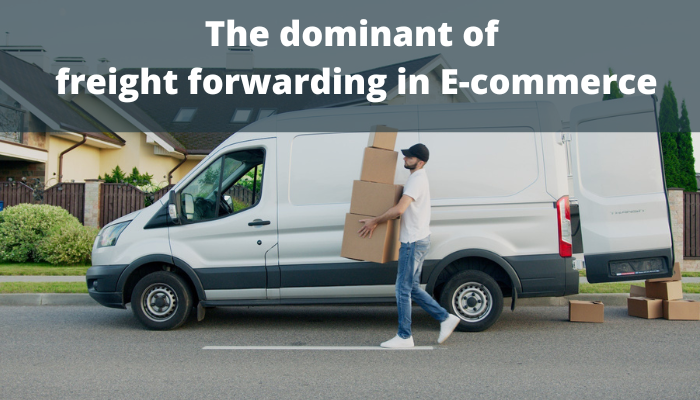
The dominant of freight forwarding in E-commerce
Introduction
In the current growing digital landscape, e-commerce has become a leading force and is transforming how businesses function and consumers buy. The ease of buying goods from the comfort of one’s home has directed to considerable growth in online retail. As e-commerce expands its reach across borders, the seamless and smooth movement of goods becomes a critical aspect of the industry. This is where freight forwarders step in as a vital player, ensuring efficient and cost-effective movement of goods.
In this article, we will get deeper into the world of freight forwarding in e-commerce, exploring its significance, challenges, and the pivotal role it plays in enabling the global flow of products.
The rise of e-commerce and worldwide trade
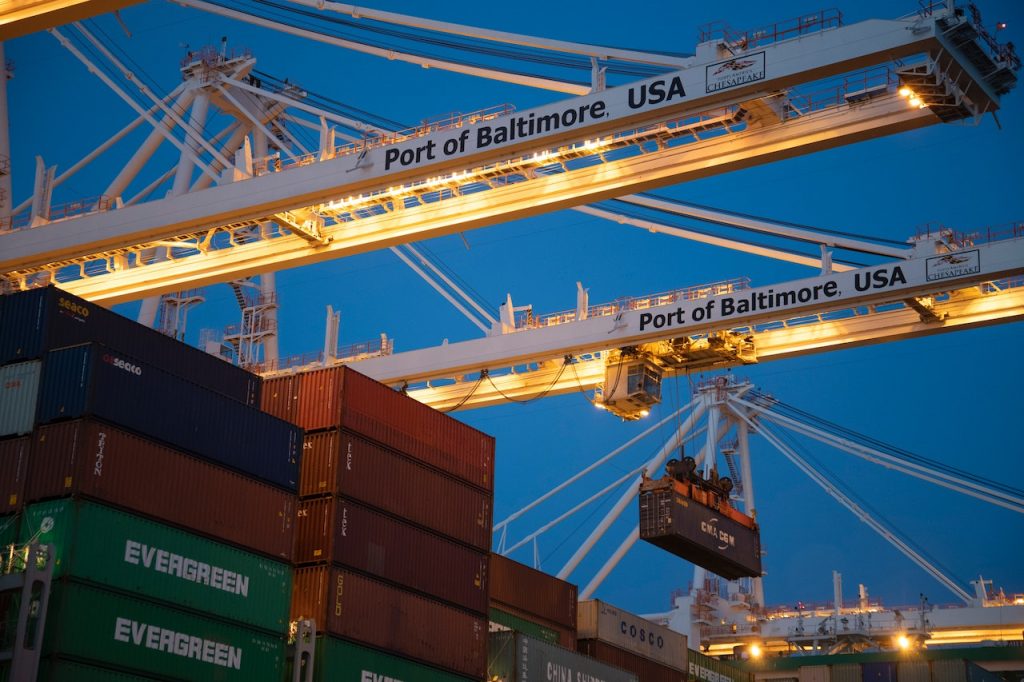
E-commerce has reshaped the way we purchase goods, creating extensive opportunities for various businesses to reach customers worldwide. With the click button, consumers can order items from different areas of the world. However, this global reach comes with its logistical complexities and challenges. Cross-border shipping encompasses navigating complex regulations, varying customs documentation, and diverse transportation modes. This is where freight forwarders arise as vital facilitator who bridges the gap between e-commerce retailers and the complex network of international logistics.
Understanding Freight Forwarding
At its core, freight forwarding requires the coordination, collaboration, and organization of various aspects of shipping goods from the seller to the buyer.
Freight forwarders act as mediators between businesses and transportation providers, carriers, customs authorities, and other stakeholders involved in the shipping process. The freight forwarders’ skill lies in streamlining the logistics chain to ensure that goods reach their destination on the scheduled time and in good condition.
The significance of freight forwarding in e-commerce
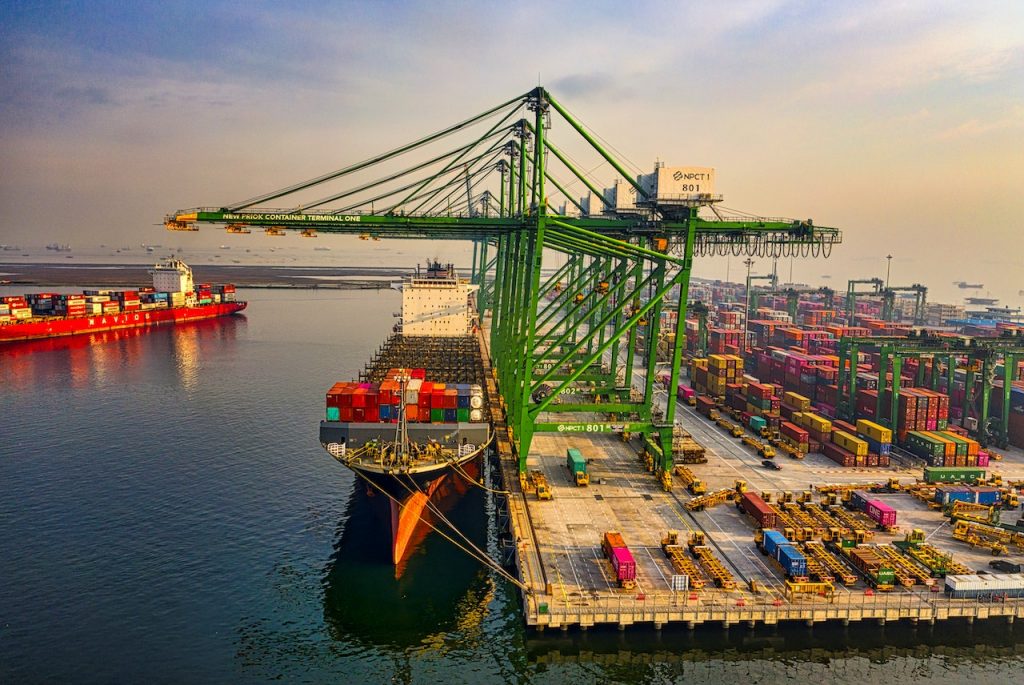
- Knowledge of International Regulations: Getting through the regulatory means of international trade is not an easy task. Freight forwarders need to attain a deeper understanding of customs protocols, tariffs, and documentation necessities, ensuring that consignments comply with the laws of each state.
- Optimized shipping routes and modes: Freight forwarders use their industry knowledge and expertise to choose the optimized and best transportation routes and ways for each shipment. It will reduce shipping costs as well as faster shipment.
- Customized solutions: Every e-commerce business requirement will be unique. The freight forwarders need to customize their services to meet the requirements of every retailer, providing solutions ranging from packaging and labelling to warehousing and distribution.
- Risk Management: Cross-border shipping entails risks such as thefts, delays, and damages due to various factors. A reputed freight forwarder like Mandli BPM works on these factors by offering insurance options and proactive measures to streamline the transit process.
- End-to-End Visibility: Online retailers like visibility and transparency provided by freight forwarders. The forwarding agent using advanced technologies such as tracking systems enables real-time tracking, monitoring, and shipment of goods, providing customers peace of mind and satisfaction.
Challenges in e-commerce freight forwarding
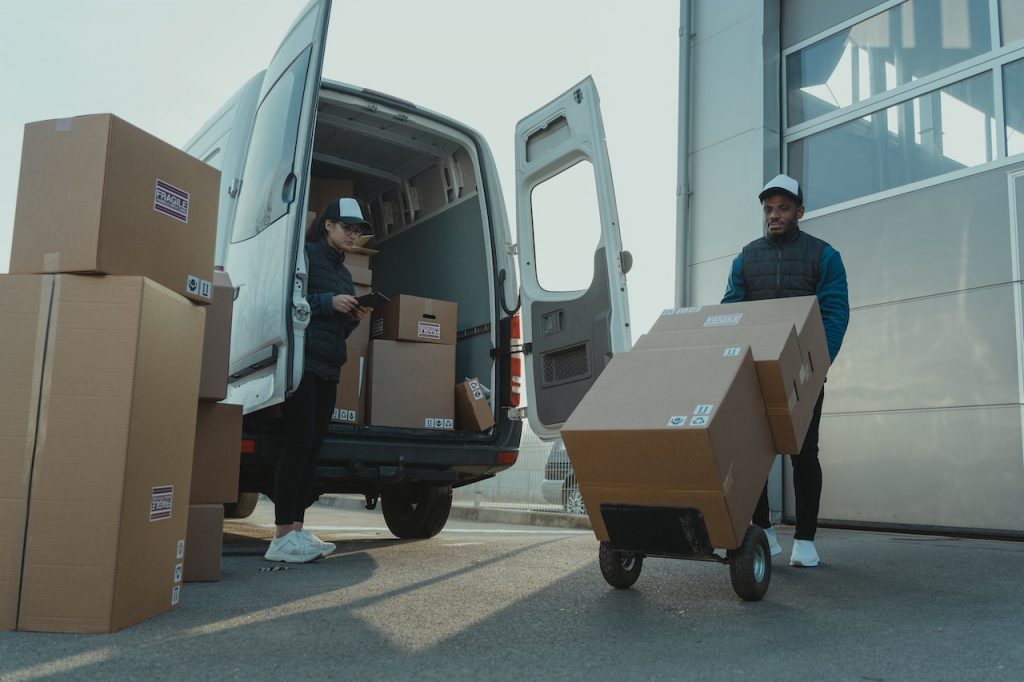
The freight forwarding plays a very crucial part in e-commerce. But, there are some challenges the forwarder agents face.
- Complications in cross-border regulations and compliance: The regulatory norms and customs regulations vary from country to country for import/export requirements. Going through the updates and ever-changing regulatory compliance can be an overwhelming task for forwarders and e-commerce retailers.
- Last-minute problems before delivery: During the final stage, the shipping of goods can be challenging due to various factors like traffic conditions, climate change, and other factors in diverse regions.
- Evolving Technology: While technology has advanced progressively today, customer expectation is also high. The need for faster delivery, which is trackable, real-time and keeps goods safe without any damages requires extensive skillsets from freight forwarders and the adoption of technological innovation.
- Sustainability Concerns: As the e-commerce industry grows faster, the demand for quicker deliveries from freight forwarders with sustainable practices will be a pressing concern.
Collaboration between E-Commerce and Freight Forwarding
For an e-commerce retailer’s success in a global market, a collaborative relationship between both parties is crucial for smoother business functioning.
- Efficiency: E-commerce retailers can focus on their core functions and operations while leaving the shipping process to the experts like us as this ensures streamlined functioning and increase in customer satisfaction. Mandli BPM is one of the fastest-growing freight forwarders working across pan India and in global markets for logistics, shipping, and freight forwarding requirements.
- Global Expansion: With demand rising for retailers’ products globally, businesses can confidently expand knowing their logistic experts are in capable hands.
- Cost Savings: The freight forwarder’s experience in optimizing shipping routes and modes can have a significant impact on saving the cost for e-retailers, which enables retailers to offer competitive prices in the marketplace for customers and can help increase the product margin.
- Risk Reduction: Freight forwarders provide various insurance options and they take strategies to mitigate risks that safeguard e-commerce businesses from financial losses due to various shipping-related factors.
- Customer Satisfaction: Freight forwarders strive harder to attain brand loyalty through timely deliveries, providing visibility and transparency of shipping, responding to customers’ customized needs, and other areas, encouraging e-retailers for repeat business.
Conclusion
In the ever-expanding world of e-commerce, the role of freight forwarders cannot go unnoticed. They are unsung heroes behind the scenes, providing seamless movement of goods globally and satisfying customers. As the e-commerce industry transforms continuously, collaboration and coordination amongst online retailers and freight forwarders will be crucial to overcoming the challenges. Through the relationship, the e-commerce business can function with ease, enabling them to thrive in the worldwide market.
Leave a Reply